Amazon influencers to explore
Start in your category, then compare the product fit and the content you need.
Home decor3 picksFull home decor list
Chris Loves Julia
Room styling and finishing touches
amazon.com/shop/chrislovesjuliaamazon.com storefrontChris and Julia's shop organizes furnishings and decor by room and product type, with a direct link to their Amazon storefront.
- Why consider them
- A useful starting point for decor that needs to be shown as part of a furnished room. Compare how a lamp, textile or decorative object works alongside the rest of the space.
- Before you reach out
- Their shop covers several retailers and their own collaborations. Confirm that the specific Amazon product and proposed content format match your campaign.
Photo: Alexandra Gater
Alexandra Gater
Small spaces and rental makeovers
amazon.com/shop/alexandragateramazon.com storefrontAlexandra's work focuses on making homes feel personal, including renter-friendly makeovers. Domino's Amazon guide highlights space-saving and removable decor picks.
- Why consider them
- Consider this direction for compact storage, removable finishes or decor that solves a visible small-space problem. A before-and-after brief can make the benefit easy to understand.
- Before you reach out
- She is based in Canada. Confirm the target Amazon marketplace, product availability and delivery arrangements before planning a US campaign.

Photo: Becki Owens
Becki Owens
Coordinated decor and designer-led rooms
amazon.com/shop/beckiowensamazon.com storefrontBecki's own Amazon shop announcement describes a collection spanning rugs, mirrors, lighting and decor, organized around design preferences and client favorites.
- Why consider them
- Worth reviewing for a coordinated collection: a mirror, basket or textile that complements an existing room palette. Show the intended setting as well as the standalone product.
- Before you reach out
- The shop announcement is historical. Review the current storefront and recent work before relying on a particular collection or item being available.
Fashion3 picksFull fashion list
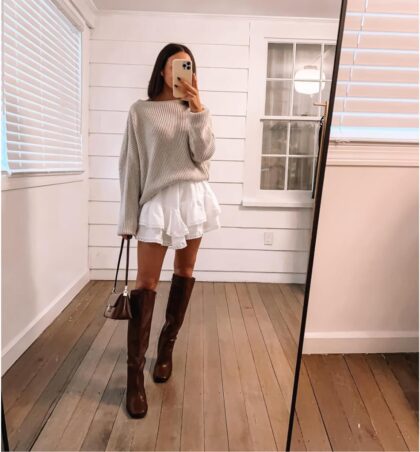
Photo: Emjacquelyn
Emjacquelyn
Wearable outfits and fashion finds
amazon.com/shop/emjacquelynamazon.com storefrontEmjacquelyn publishes Amazon fashion picks and complete outfit ideas, with a direct storefront link on her own shop page.
- Why consider them
- A starting point for a fashion brief where styling matters as much as the individual item. Compare the garment's intended use with the outfits she shows.
- Before you reach out
- Check sizing, fabric presentation and the type of try-on content in recent work before deciding whether the product fits.
Jean Wang (Extra Petite)
Petite workwear and classic style
amazon.com/shop/extrapetiteamazon.com storefrontJean, who describes herself as a touch under five feet tall, writes about classic, timeless style for petite women from Boston. Her site's Amazon favorites link leads to her storefront.
- Why consider them
- A strong reference for petite-specific products where measurements decide the purchase: trousers, joggers, blazers and dresses offered in short or petite lengths.
- Before you reach out
- Her work covers many retailers. Look for Amazon items close to yours and confirm that your size range includes petite lengths.

Photo: Kristine / Linktree
Kristine (Trendy Curvy)
Plus-size trends and statement outfits
amazon.com/shop/mskristineamazon.com storefrontKristine describes herself as a plus-size creator and runs Trendy Curvy, where she adapts current trends to her own size and style. Her links page includes her Amazon plus-size essentials.
- Why consider them
- A useful reference for plus-size apparel and everyday essentials. Show your full size range and how the garment sits in a complete outfit.
- Before you reach out
- She sells her own clothing line, so confirm there is no conflict with your category, and check that your size range covers the sizes her readers wear.
Kitchen1 pick
Naptime Kitchen
Everyday cooking and family routines
amazon.com/shop/naptimekitchenamazon.com storefrontKate at Naptime Kitchen shares recipes, home routines and kitchen ideas, and links to her Amazon finds from her website.
- Why consider them
- Consider this direction for a utensil, food-storage product or kitchen tool whose benefit is easiest to show while preparing a real meal.
- Before you reach out
- Cooking relevance does not establish coverage of your ASIN. Look for the exact product or a close comparable, and agree on what the demonstration should show.
These are editorial picks, not a ranking by sales or audience size. Photos come from the influencers’ own sites or public profiles, and inclusion does not imply a relationship with Spreesy. If you are listed and want your information changed or removed, use the influencer information and removal page.
Selling in Canada? Compare our Canadian Amazon influencer picks, with country-specific storefronts and practical campaign checks.
Turn a category list into a useful shortlist
Write a one-sentence brief. Name the product, the buyer and what the content should demonstrate. “Show how this organizer fits a narrow kitchen drawer” gives you a clearer selection criterion than “find a large home account.”
Inspect comparable recommendations. Review the product types, presentation and level of explanation in recent work. A category label is only the start; the useful question is whether the influencer can show why this particular item matters.
Confirm the practical details. Check the marketplace, product availability and content format. Discuss the brief and terms before sending a sample. Save the reason for each selection so your outreach can be specific.
For a step-by-step process, read how to find and evaluate Amazon influencers.
Make the shortlist yours
Start with your ASIN or a comparable product. Spreesy helps you find influencers with relevant recommendation evidence, inspect their work and organize your outreach.
Explore the Amazon influencer database or learn how to keep track of your contacts with outreach lists.
Before you build your shortlist
Who are the best Amazon influencers?
The best choice depends on the product and the brief. Use the shortlist to compare subject matter and presentation, then review recent work and relevant product recommendations. Inclusion here does not establish availability, audience size or sales results.
Can I contact the influencers on this list?
Check an influencer's published business contact channels and ask whether they are open to your brief. Agree on product fit, fees, content, usage rights and timing before shipping a sample. A storefront does not mean the influencer accepts unsolicited products.
How do I find influencers who already recommend my product?
Search your ASIN or a comparable product in Spreesy, then inspect the available recommendation evidence. Use the influencer database and outreach lists to research and organize your next steps.

 The Tidy Home Favorites
 Carolina McCauley
 Naptime Kitchen
 Reilly's Amazon Finds
 Dani Atkinson
 Lauren Burke
 Em S
Em S