Compare Amazon influencers by what they show
Start with the category closest to your product. Each example includes relevant work and a check before you make contact; the linked category list gives you more people and fuller reviews.
Home decor1 pick
A lamp needs scale and lighting shown in a room; a renter's shelf needs an installation example. Compare room styling, small-space and DIY influencers by the setting your product belongs in. A finished-room photo and an assembly video answer different buyer questions.
Chris Loves Julia
Room styling and finishing touches
amazon.com/shop/chrislovesjuliaamazon.com storefrontChris and Julia's shop organizes furnishings and decor by room and product type, with a direct link to their Amazon storefront.
- Relevant work
- Their decor shop includes curtains, lighting, bedding, vases and wall decor. That gives a seller concrete categories to compare with a product brief.
- Before you reach out
- Their shop covers several retailers and their own collaborations. Confirm that the specific Amazon product and proposed content format match your campaign.
Fashion1 pick
For clothing, inspect how the garment fits and moves, along with the size worn. Our fashion picks and try-on notes help you distinguish styling from useful fit information. Check that the size you can send matches the influencer's own measurements and your size chart.
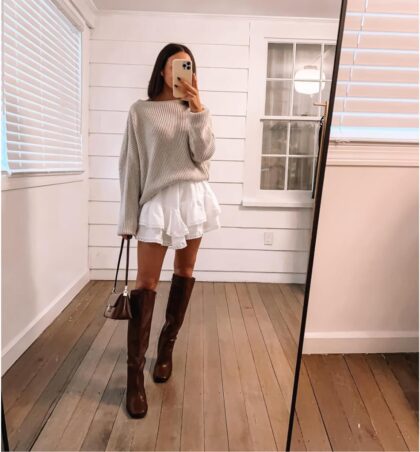
Photo: Emma / Emjacquelyn
Emma (Emjacquelyn)
Everyday outfits at 5'2" in an XS or S
amazon.com/shop/emjacquelynamazon.com storefrontEmma, who blogs as Emjacquelyn, shares Amazon outfits she has bought and worn, and her storefront bio sends shoppers to its photos for sizing details. Her website's shop page links the Amazon storefront.
- Relevant work
- A September 2026 post on an OYOANGLE sweater vest dress from Amazon reads: “Fall family photos outfit- boots true to size, dress wearing S but could do XS”.
- Before you reach out
- Nearly every 2026 post on her LTK page links only Amazon, but her size notes are short. Ask for the size taken and how it fit in writing alongside the try-on.
Beauty1 pick
A swatch shows shade and texture; a wear test shows what happens later. Compare skincare, makeup and hair-care picks against the routine and skin or hair type your product serves. Give the influencer factual product information and time to describe their own experience.

Photo: Dr. Maren Locke / Linktree
Dr. Maren Locke (The Budget Dermatologist)
Affordable skincare, reviewed by a dermatologist
amazon.com/shop/thebudgetdermatologistamazon.com storefrontDr. Maren Locke is a board-certified dermatologist who reviews affordable, mostly drugstore skincare and explains what each formula does. Her links page includes her Amazon storefront.
- Relevant work
- Her October 2025 review of the CeraVe Skin Renewing Vitamin C Eye Cream, linked on Amazon, names its 5% L-ascorbic acid, explains why that strength suits the under-eye area and tells readers to patch test for 24 hours first. She marks the review as not sponsored.
- Before you reach out
- She judges products on their formula and compares their prices with alternatives. Make sure your ingredient list and claims hold up to a dermatologist's reading before you send a sample.
Kitchen1 pick
Cookware needs to be seen cooking. Storage needs capacity, stacking and cleanup shown. The kitchen list's recipes and product tests separate cooking, baking and meal-prep work, so you can choose someone who already explains the details your buyers ask about.

Photo: Jim Delmage / Sip and Feast
Sip and Feast (Jim and Tara Delmage)
Cookware for everyday Italian-American cooking
amazon.com/shop/sipandfeastamazon.com storefrontJim and his wife, Tara, develop and test mostly Italian-American recipes with a New York spin for their site and YouTube channel. Their site's Shop menu links their Amazon storefront.
- Relevant work
- In his list of essential kitchen tools, published in October 2024 and updated in September 2025, Jim recommends the Lodge 7.5-quart enameled cast iron Dutch oven, linked on Amazon, for moving from stovetop to oven: “The lid is heavy and provides a tight seal that’s ideal when using the oven.”
- Before you reach out
- They sell their own cookbook. Agree whether your product appears in a video, a recipe or both, since each carries its own product links.
Car1 pick
A wash tool needs a cleaning demonstration; an accessory needs a vehicle-fit check. Compare car-care, dash-cam and repair-tool influencers by the work they show. Confirm the vehicle, installation and conditions your product needs before agreeing a sample.

Photo: Keav / Amazon profile
Keav (Cars With Keav)
Car washing and drying tools
amazon.com/shop/carswithkeavamazon.com storefrontKeav reviews car wash products looking for the best value, which he says is not always the cheapest or the most expensive option. His own site links his Amazon storefront.
- Relevant work
- His July 2026 video pits two compact blowers linked on Amazon, the Wolfbox MF400 and the Fanttik B11 Apex, against each other. He measures their force on a scale, times each clearing water beads off the same hood, about 30 seconds against 40, and checks the noise at his ear with a decibel meter.
- Before you reach out
- He sells his own Cars With Keav merch on Amazon and shares discount codes for detailing brands and shops. Ask about existing partnerships in your category before you send a sample.
Tech1 pick
A charger or dock needs a compatible device, cable and power setup to make its demonstration useful. Review tech reviewers by product type for setup detail and real use. An unboxing alone leaves compatibility, performance and limitations unanswered.

Photo: Lon Seidman / Lon.TV
Lon Seidman (Lon.TV)
Chargers, docks and home-office gear
amazon.com/shop/lon.tvamazon.com storefrontLon reviews consumer tech on his Lon.TV channel and blog, from computers and network storage to chargers and docks, often several products in one hands-on haul. His about page links his Amazon storefront.
- Relevant work
- In his January 2026 Amazon tech haul, he tests Anker's 160-watt Prime charger, linked on Amazon, whose app shows what each port is drawing and sets per-port priority and wattage limits: “It doesn’t offer remote access over Wi-Fi, but standing near the charger you can see detailed data about what each device is drawing.”
- Before you reach out
- He says most of his review units come free from their makers, but that his reviews are not sponsored or approved in advance. Expect an honest verdict, including what your product does not do.
Jewelry1 pick
Jewelry shoppers need to see scale, fastening and how a piece sits when worn. The jewelry list's wear examples cover different styling approaches. Match your material and price point, then ask what a close-up or wear test can honestly demonstrate.
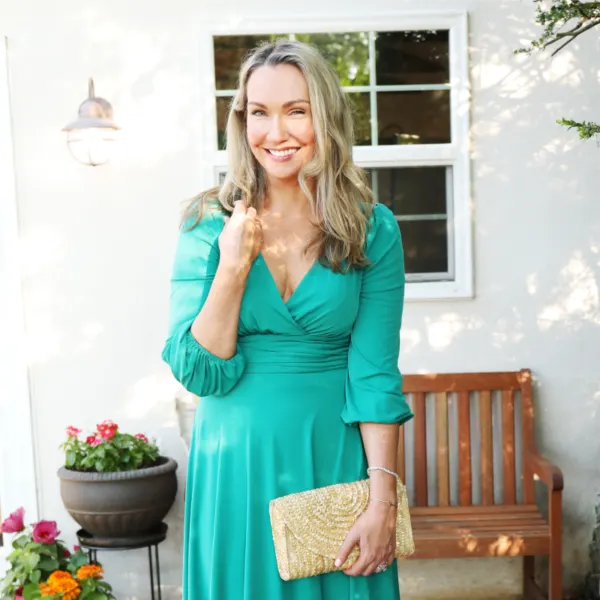
Photo: Megan Kristel / The Well Dressed Life
Megan Kristel (The Well Dressed Life)
Gold-plated everyday basics for women over 40
amazon.com/shop/thewelldressedlifeamazon.com storefrontMegan is a personal stylist who ran Kristel Closets, a Philadelphia styling agency, from 2007 to 2017, and now writes The Well Dressed Life for women over 40. Her site's Amazon Shop menu link leads to her Amazon storefront.
- Relevant work
- Her January 2025 guide to PAVOI jewelry, updated in July 2026, sets PAVOI's 14K gold plated curb chain bracelet, linked on Amazon, against a $70 bracelet that tarnished within weeks: “This gem, however, is just $15 and still looks as good as new.”
- Before you reach out
- She already names PAVOI as the affordable brand she returns to, wears Julie Vos and shares a Monica Vinader discount code, so show how your piece differs. She now sends readers to ShopMy for standing recommendations: ask whether your piece would appear there or on her Amazon storefront.
Art1 pick
Paint, paper and brushes need a technique shown with the supplies in use. Compare art-supply teachers and testers for the medium and skill level your product suits. A beginner lesson and a classroom supply review call for different explanations and quantities.

Photo: Jenna Rainey
Jenna Rainey
Watercolor paint, paper and brushes
amazon.com/shop/jennamraineyamazon.com storefrontJenna is a self-taught watercolor artist from southern California who teaches beginners through her YouTube channel, her courses and her Everyday Watercolor books. Her about page links her Amazon storefront as Shop My Supplies.
- Relevant work
- In September 2026 she tested a $5 student watercolor set against her professional Maimeri Blu and Winsor & Newton paints, with the same wet-on-wet technique, brush and cold press paper for both; the student paint left cauliflower blooms and hard lines. For the tubes she keeps restocking, she links her Amazon storefront: “A $5 paint set on good paper will beat a $20 paint set on bad paper. Every time.”
- Before you reach out
- Princeton Brush Company lists her as a featured artist, and she names its Heritage rounds as the brushes she uses almost every day. She sells her own books, courses, a membership and art retreats, so ask how a supply review would fit her teaching.
These are editorial picks, not a ranking by sales or audience size. Photos come from the influencers’ own sites or public profiles, and inclusion does not imply a relationship with Spreesy. If you are listed and want your information changed or removed, use the influencer information and removal page.
Starting from a social platform? Compare Amazon influencers on TikTok by product fit, then check a storefront free before sending a sample. Their Amazon recommendations and TikTok posts are separate evidence. Our Amazon influencer statistics show which platforms and categories storefronts lean toward across the whole index.
Some products need a narrower starting point. Pet equipment needs the right species and size in the demonstration: our pet-product examples for dogs, cats and reptiles show why that changes who you consider. For toys, match the intended age and how the game or activity is explained. The toy storefront ranking measures listed products, which helps you compare range but does not measure sales or an audience’s age.
A broad fashion list may leave an important fit question open. A short inseam calls for petite try-on evidence; a plus-size garment needs the influencer’s stated size and size taken. Use those details to choose a useful demonstration. The person wearing a garment does not establish the demographics of everyone watching.
How we chose the category examples
The hub highlights one available editorial pick from each of the category lists above. We chose examples with a documented Amazon storefront connection, published work relevant to that category and a concrete reason for a seller to inspect it. Each entry pairs that work with a detail to check before making contact.
The category research was reviewed in September 2026. Its sources include influencers’ own shops, biographies and published reviews; dated examples keep their original dates. This page’s update adds seller guidance, rather than a new check of every storefront. Open the current shop and recent work before relying on a product still being listed.
Choose the campaign goal before the influencer
An Amazon influencer recommends products through a personalized Amazon storefront and can earn commissions on qualifying purchases. For a seller, the useful question is what that influencer can do for this product. Product demonstrations, social traffic and existing recommendations each need different evidence.
| Your goal | Work to inspect | Confirm separately |
|---|---|---|
| Explain the product | A comparable item being used, with the buyer's practical questions answered. | The agreed video format, publishing destination and any reuse rights. |
| Reach shoppers on social platforms | Recent relevant posts, the questions people ask and the influencer's own audience insights. | Audience location, expected deliverables and how you will track visits or sales. |
| Contact an existing recommender | A recommendation for your exact product, or clearly labeled evidence for a related product. | Whether the recommendation is current and whether the influencer is open to your proposal. |
If your goal is a product-page video, inspect whether the influencer explains the product well and agree what they will publish. Amazon controls where videos appear. Our explanation of how storefront videos and listing videos differ covers that placement question in detail.
A kitchen-storage brief, compared three ways
Say you sell glass meal-prep containers. Your brief asks someone to pack a lunch, show the lid closing and fit the containers into a fridge. That gives you work to look for before a sample leaves your warehouse. Compare the types of content below against the question your buyer needs answered.
| Type of work | What to look for | The missing detail to ask about |
|---|---|---|
| Meal preparation | Packing portions and using containers during an ordinary cooking routine. | Will the content show the lid, dimensions and cleanup as well as the finished meal? |
| Kitchen organization | Stacking containers and showing how they fit on a shelf or in a drawer. | Can the influencer demonstrate the storage space your product is designed for? |
| General home finds | A clear introduction that makes the product easy to understand. | Will there be a useful demonstration beyond opening the box? |
A hypothetical product brief, not a campaign result or a claim about a listed influencer.
Keep the candidates whose work answers the brief, and note the specific example behind each choice. A large storefront with little relevant work gives you less to pitch than a clear demonstration of a comparable item. The influencer evaluation checklist covers the full review; use it when you need to go beyond these category examples.
Before contacting someone, write down what you liked about that example and what you want them to show. Agree the content, fee, timing and usage rights before shipping. Our outreach messages and offer examples help you turn that specific reason into a proposal.
Match the storefront market and the audience separately
A storefront’s Amazon domain tells you which marketplace its product links serve. It does not tell you where the influencer’s audience lives. Confirm the exact product variant, availability and sample delivery in your campaign’s market. For social traffic, ask the influencer for audience-location information as well.
The category examples above link Amazon.com shops. If you sell elsewhere, the Canadian storefront comparison separates Canadian connections from each shop’s marketplace, while the UK influencer list links Amazon.co.uk shops. Check both the documented connection and the product destination before choosing someone for a regional brief.
Move from category picks to a specific product
A category list helps you recognize relevant work. An ASIN search answers a narrower question: who already recommends this product? Search a competing ASIN to inspect the influencers behind its recommendations, or your own ASIN to find people already featuring yours.
Inspect the recommendation behind each result. Exact-product evidence tells you the influencer features that item; related-product evidence gives you a candidate to evaluate for a similar use case. Keep the two separate in your pitch. A missing result does not prove an influencer has never recommended the product.
The Amazon influencer database shows the search and browsing workflow. Save the people you want to contact to outreach lists, then track your own follow-up. Spreesy suits sellers who want to research and arrange collaborations themselves; contact happens through the routes influencers publish.
Questions about Amazon influencers
Who are the best Amazon influencers for my product?
Choose an influencer whose published work answers your buyers' questions about a comparable product. Start with the category examples, then check the current storefront, the content format and the practical details of your brief. This selection does not rank influencers by sales or audience size.
Does an Amazon storefront show an influencer's audience reach?
No. A storefront shows recommendations and content, while reach depends on who sees that content. For a social campaign, ask the influencer for recent audience and performance information from the relevant platform. Spreesy's recommendation data does not measure audience reach or influencer sales.
Do the listed influencers accept paid work or free samples?
You need to confirm that directly through the influencer's published business contact route. We have not verified current booking availability. Explain the product and proposed work, then agree the terms before sending anything. A storefront alone does not establish willingness to collaborate.
Can this category list show who already recommends my ASIN?
The category picks are editorial examples, not results for your product. Search the ASIN in Spreesy to inspect recorded recommendations and keep exact-product matches separate from related-product suggestions. Product coverage does not establish a paid partnership, sales or Amazon listing-video placement.

 The Tidy Home Favorites
 Carolina McCauley
 Naptime Kitchen
 Reilly's Amazon Finds
 Dani Atkinson
 Lauren Burke
 Em S
Em S